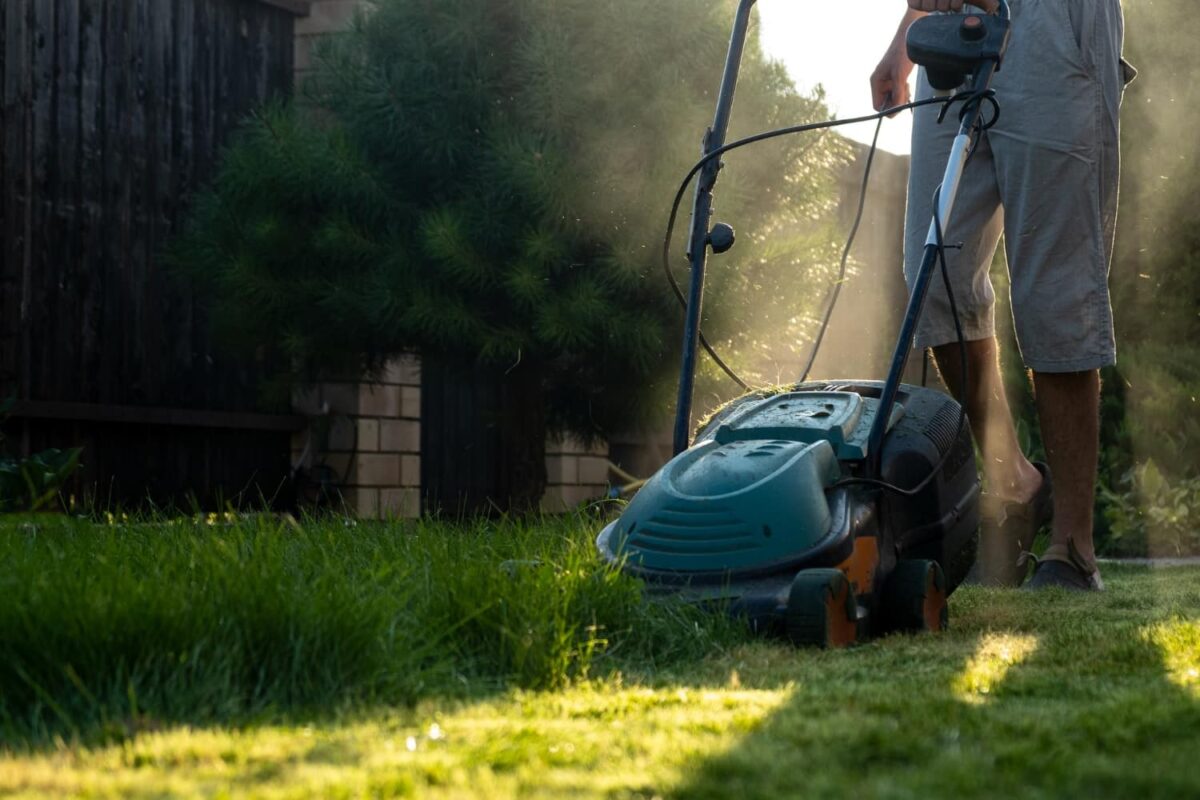

Is your grass looking thin even though you are watering and mowing it regularly? Does water run across the surface instead of soaking into the soil? If so, compacted soil could be making it harder for your lawn to grow.
Over time, foot traffic, pets, outdoor activities, and heavy equipment can compact the soil. When the soil becomes too dense, grass roots have less room to grow and may struggle to get the air, water, and nutrients they need. Lawn aeration helps by removing small plugs of soil, opening the root zone, and creating better conditions for healthy grass growth.
Signs Your Lawn May Need Aeration
Lawn aeration is the process of removing small plugs of soil from your lawn. These openings create more space for air, water, and nutrients to reach the grass roots.
Over time, soil can become compacted from foot traffic, pets, outdoor activities, and heavy equipment. Soil conditions can also make compaction more noticeable in many North Carolina lawns.
When your soil is compacted, you may notice:
- Water pooling or running off
- Thin or weak grass
- Bare patches
- Hard soil
- Poor root growth
- Grass struggling during hot weather
- Areas that don’t respond well to watering
Aeration helps relieve this compaction and gives your grass better growing conditions.
How Often Should You Aerate Your Lawn?
For most established lawns in North Carolina, once a year is a good starting point.
Annual aeration is especially helpful for lawns with heavy foot traffic or compacted soil. However, not every lawn needs to be aerated on exactly the same schedule.
Your lawn may need more frequent attention if it:
- Gets heavy foot or pet traffic
- Has dense, compacted soil
- Drains poorly
- Experiences frequent water runoff
- Has thin grass despite proper care
- Has areas that repeatedly struggle to grow
Instead of automatically aerating several times a year, look at the condition of your lawn and soil. This can help you determine whether aeration is actually needed.
When Is the Best Time to Aerate in North Carolina?
The best time for lawn aeration depends on the type of grass growing in your yard.
North Carolina lawns commonly have both cool-season and warm-season grasses. Since these grasses grow at different times of the year, their ideal aeration schedules are also different.
Tall Fescue
Tall fescue is one of the most common cool-season grasses found throughout North Carolina, especially in the Piedmont region.
For tall fescue lawns, fall is generally the best time to aerate. The grass is actively growing during this period, giving it a better opportunity to recover after aeration.
Fall is also an important season for overseeding tall fescue. If your lawn is thin, aerating before overseeding can help grass seed make better contact with the soil.
Warm-Season Grasses
Bermudagrass, zoysiagrass, centipedegrass, and St. Augustinegrass are examples of warm-season grasses grown in North Carolina.
These grasses should generally be aerated in late spring or early summer, when they are actively growing.
Aerating during active growth allows the grass to recover and take advantage of the improved soil conditions.
Why Does Your North Carolina Lawn Need Aeration?
Your lawn deals with changing weather throughout the year. Hot summers, heavy rainfall, foot traffic, and compacted soil can all create challenges for grass.
When soil becomes too compacted, grass roots have less room to spread. Water and nutrients may also have difficulty moving through the soil.
This can leave your lawn looking weak even when you are following a regular mowing and watering routine.
Lawn aeration opens up the soil and improves the movement of air and water around the roots. It can also help reduce runoff and improve nutrient availability.
This can be particularly helpful for lawns with compacted soil or areas that receive frequent foot traffic.
How Do You Know Your Lawn Needs Aeration?
Not every lawn needs aeration at the same frequency. Before scheduling lawn aeration, look for signs that your soil may be compacted.
Water Runs Off
If water quickly runs across the lawn after watering or rainfall instead of soaking into the soil, compaction may be limiting water penetration.
The Soil Feels Hard
Try pushing a screwdriver into the soil. If it is unusually difficult to penetrate the ground, your soil may be compacted.
Your Grass Looks Thin
Thin grass can have many causes, including weeds, pests, disease, poor mowing, and improper watering. Compacted soil can also restrict root development and contribute to weak growth.
Your Lawn Gets Heavy Traffic
Children playing, pets running, outdoor gatherings, and regular walking can gradually compact the soil, particularly in the same areas of the lawn.
Should You Aerate Before Overseeding?
If you have a tall fescue lawn that needs thicker coverage, aeration and overseeding can work well together.
Aeration creates small openings in the soil, allowing grass seed to make better contact with the soil. This is one reason fall is such an important season for tall fescue lawn care in North Carolina.
However, aeration isn’t a solution for every thin lawn.
If your grass is struggling because of insects, disease, weeds, poor mowing, improper watering, or the wrong grass type, those problems should also be addressed.
Core Aeration vs. Spike Aeration
There are several ways to aerate a lawn, but core aeration is generally the better choice for compacted soil.
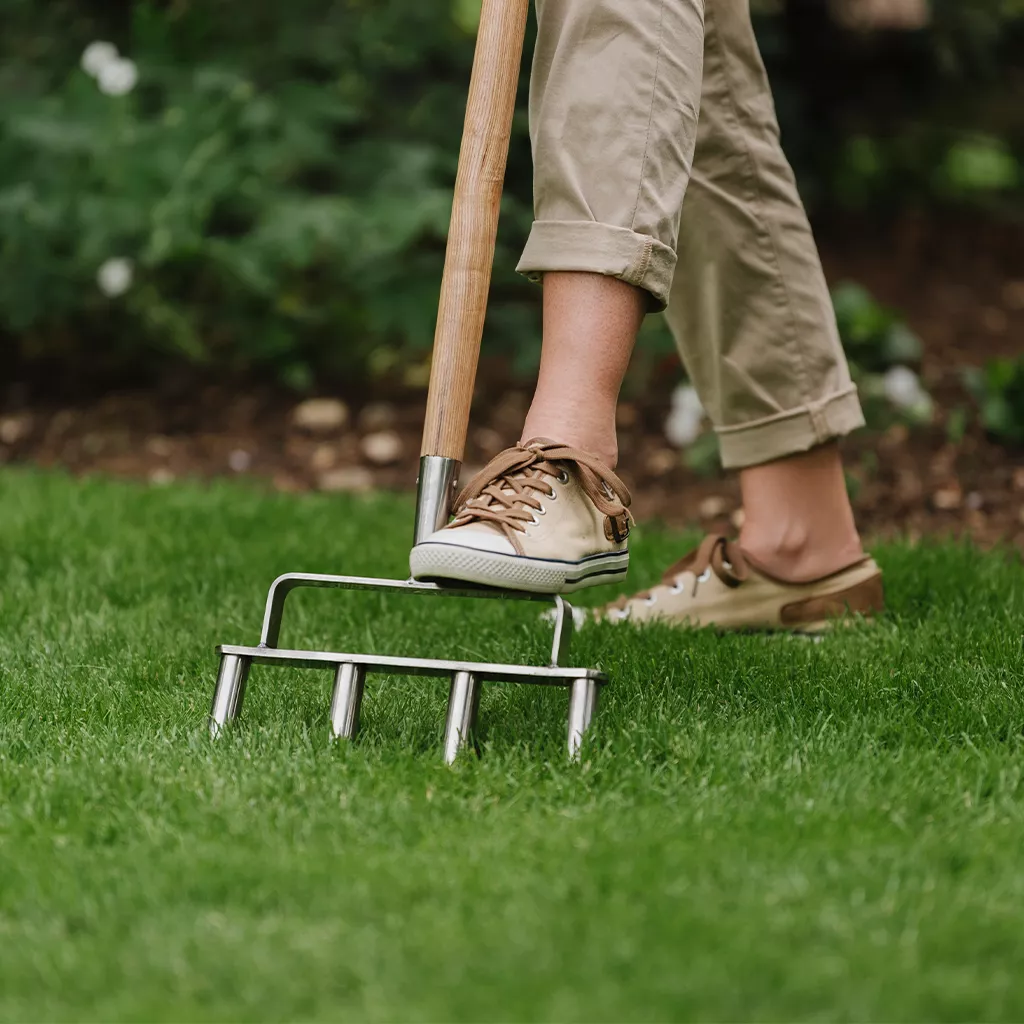
Core aeration removes small plugs of soil from the lawn. This creates openings that allow air, water, and nutrients to move into the root zone.
Spike aeration simply pushes holes into the soil and may increase compaction around the holes. For this reason, core aeration is generally preferred when dealing with compacted soil.
How to Get Better Results From Lawn Aeration
Timing is important when it comes to aeration.
The soil should be moist enough for the equipment to penetrate but not so wet that the lawn becomes muddy. Aerating at the right time for your grass type also gives your lawn a better chance to recover.
After aeration, your lawn may also benefit from other treatments depending on its condition. This could include overseeding, fertilization, watering adjustments, or other lawn care services.
Aeration works best when it is part of a complete lawn care plan rather than a one-time fix.
Lawn Aeration in Mooresville, NC
Mooresville lawns can experience compacted soil, heavy foot traffic, drainage issues, and seasonal changes that affect grass growth. If your lawn is becoming thin or water is having trouble soaking into the soil, aeration may help improve the conditions around the grass roots.
If you need help from a Lawn Aeration Company in Mooresville, Lawn Pro of the Carolinas can evaluate your lawn and recommend the right approach based on your grass type, soil conditions, and the time of year.
Give Your Lawn Room to Grow
So, how often should you aerate your lawn in North Carolina? For many homeowners, once a year is enough. Lawns with heavy traffic, compacted soil, or drainage problems may need additional attention.
The timing is just as important as the frequency. Tall fescue lawns generally benefit from fall aeration, while warm-season grasses are better suited to late spring or early summer.
If your lawn has hard soil, poor drainage, thin grass, or heavy traffic, professional lawn aeration services can help determine whether aeration is the right solution.
Lawn Pro of the Carolinas can help you determine the right approach for your North Carolina lawn. Have questions about your lawn or need help with aeration? Contact Us to learn more and find the right solution for healthier, stronger grass.